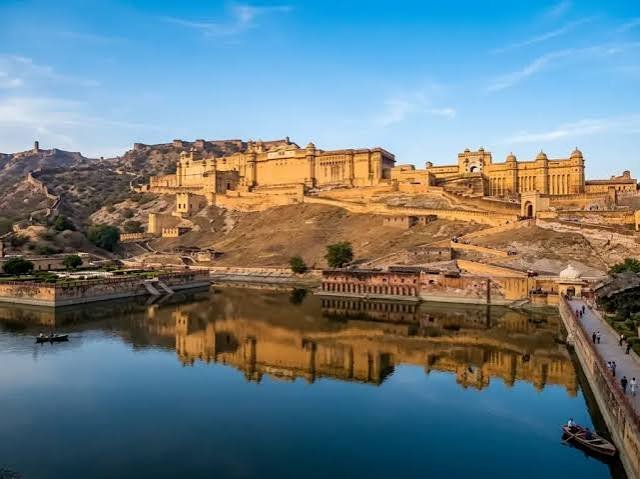
1. The Royal Heritage Trail: Rajasthan
- Best Time to Visit: October to March
- Recommended Duration: 10 to 12 Days
- Key Destinations: Jaipur, Jodhpur, Udaipur, Jaisalmer, Pushkar
- Ideal For: History buffs, culture lovers, and luxury travelers
The Experience
When people dream of romanticized India—towering sandstone fortresses, vibrant grand bazaars, grand royal palaces, and vast golden desert dunes—they are dreaming of Rajasthan. As India’s largest state by area, Rajasthan offers a grand window into the regal lifestyle of the Maharanis and Maharajas of centuries past.
Starting your journey in Jaipur, the famous “Pink City,” you are immediately immersed in royal architecture. The iconic honeycomb facade of the Hawa Mahal (Palace of Winds) and the magnificent hilltop Amber Fort display a seamless fusion of Hindu and Mughal design. From Jaipur, traveling southwest leads to Jodhpur, the “Blue City,” where a sea of indigo-painted houses sits under the imposing shadow of Mehrangarh Fort—one of the largest and best-preserved fortresses in all of Asia.
Continuing westward into the Thar Desert brings you to Jaisalmer, the “Golden City.” Crafted entirely from yellow sandstone, Jaisalmer Fort appears to rise directly from the desert sands like a mirage. Spending a night at a luxury desert camp in the Sam Sand Dunes under a canopy of stars, accompanied by traditional Manganiyar folk music, offers an authentic desert experience. Finally, concluding your circuit in Udaipur, the “City of Lakes,” provides a serene counterpoint with its romantic boat rides across Lake Pichola and the ethereal white marble architecture of the City Palace.
Insider Highlights & Culinary Delights
- Food to Try: Sample Dal Baati Churma (crispy baked wheat balls served with spiced lentils and clarified butter), Laal Maas (a slow-cooked mutton curry flavored with local Mathania red chilies), and Ghevar (a traditional disc-shaped sweet).
- Must-Do Activity: Take an early morning hot-air balloon ride over Jaipur to view ancient hill forts and rural villages from above.
- Pro-Tip: Take time to explore small artisan workshops in Jodhpur and Jaipur to watch master craftsmen work on traditional block printing, blue pottery, and intricate leather goods.
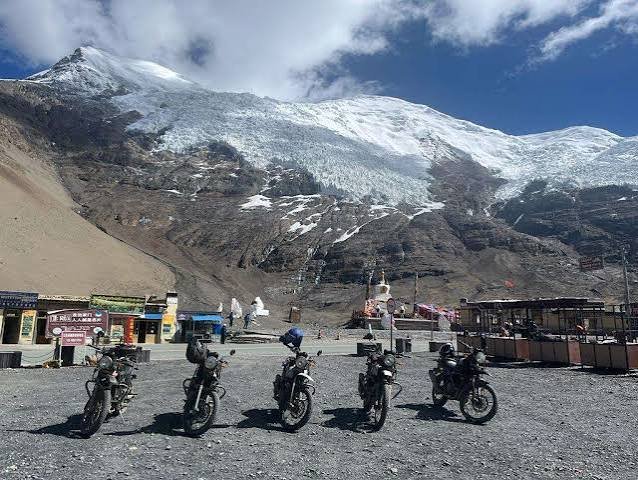
2. The Trans-Himalayan Odyssey: Himachal Pradesh to Ladakh
- Best Time to Visit: Mid-June to Late September (when mountain passes are clear of snow)
- Recommended Duration: 10 to 14 Days
- Key Destinations: Manali, Jispa, Sarchu, Leh, Nubra Valley, Pangong Tso
- Ideal For: Adventure seekers, road-trippers, motorcyclists, and nature photography enthusiasts
The Experience
For thrill-seekers and nature lovers, the legendary high-altitude overland route from the pine-forested valleys of Himachal Pradesh to the high-desert landscapes of Ladakh is a life-changing journey. Stretching across some of the world’s highest motorable passes, this route presents dramatic shifts in topography, climate, and culture.
Your expedition begins in Manali, a lush hill station in Himachal Pradesh surrounded by oak forests and river valleys. Leaving Manali behind and passing through the Atal Tunnel or over the Rohtang Pass, the green pine hills fade into the stark, lunar-like landscapes of Lahaul Valley. As you cross into the Union Territory of Ladakh over high-altitude passes like Baralacha La and Lachung La, the air turns crisp and thin.
Arrival in Leh, the historic capital of the Himalayan kingdom of Ladakh, brings an immediate sense of peaceful spirituality. Centered around Tibetan Buddhist culture, Leh is surrounded by ancient monasteries perched precariously on rocky cliffs, such as Thiksey and Hemis.
From Leh, crossing the world-famous Khardung La Pass brings you into the enchanted Nubra Valley, home to cold-desert sand dunes and double-humped Bactrian camels. The journey culminates at Pangong Tso, an endorheic lake sitting at nearly 14,000 feet above sea level. The lake’s crystal-clear waters shift through brilliant shades of cobalt blue, turquoise, and violet throughout the day, bordered by stark, snow-capped peaks.
Insider Highlights & Culinary Delights
- Food to Try: Fuel up on authentic Ladakhi cuisine, including Thukpa (a hearty noodle soup), freshly steamed Momos, and traditional Butter Tea (Gur Gur Chai), made with tea leaves, yak butter, and salt to help withstand the high mountain cold.
- Must-Do Activity: Attend an early morning chanting ceremony at Thiksey Monastery, where the resonance of horns and chanting monks echoes through the mountain valley.
- Pro-Tip: Altitude Sickness (AMS) is real. Allocate at least 48 full hours in Leh upon arrival strictly for acclimatization before venturing to higher passes like Khardung La or Pangong Lake.
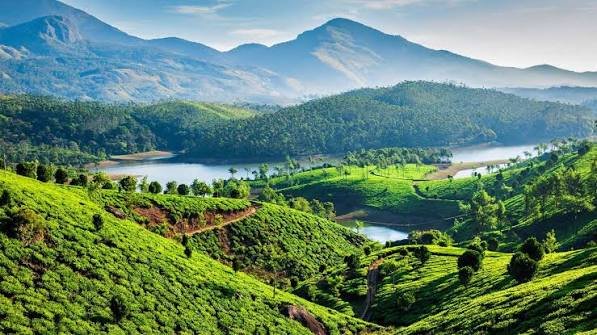
3. The Tropical Backwaters & Tea Gardens: Kerala
- Best Time to Visit: September to March
- Recommended Duration: 7 to 10 Days
- Key Destinations: Kochi, Munnar, Thekkady, Alleppey (Alappuzha), Kovalam
- Ideal For: Wellness travelers, couples, families, and wildlife enthusiasts
The Experience
Affectionately known as “God’s Own Country,” the southern state of Kerala offers a completely different rhythm of life compared to the bustling north. Characterized by lush palm-fringed coastlines, serene inland canals, spice plantations, and mist-covered tea gardens, Kerala is the world’s haven for slow travel and holistic wellness.
Your itinerary typically opens in Kochi (Cochin), a historic port town where centuries of maritime trade have left a rich blend of Dutch, Portuguese, British, and Chinese influences. Wandering through Fort Kochi, you will spot iconic Chinese Fishing Nets lowered into the Arabian Sea alongside colonial churches and colorful spice warehouses.
Moving inland, the road winds upward into the Western Ghats mountain range to Munnar, a hill station draped in sprawling, emerald-green tea plantations. The crisp air here is filled with the scent of fresh tea leaves and cardamom. Nearby in Thekkady, the Periyar National Park offers sanctuary to wild elephants, tigers, and rare bird species, which can often be spotted on guided jungle walks or bamboo rafting trips.
The defining highlight of any Kerala journey is a trip to Alleppey (Alappuzha). Here, you can board a traditional Kettuvallam—a thatched-roof houseboat crafted from wooden planks and coconut fibers—and drift through a vast network of tranquil backwater canals, lagoons, and paddy fields. Watching rural village life unfold along the water’s edge while eating freshly prepared regional meals onboard is an unforgettable travel experience.
Insider Highlights & Culinary Delights
- Food to Try: Enjoy a traditional Sadhya—an elaborate vegetarian feast of up to 24 dishes served on a fresh banana leaf. Don’t miss Karimeen Pollichathu (pearl spot fish marinated in native spices and slow-cooked inside a banana leaf wrapper) paired with soft Appams (laced rice crepes).
- Must-Do Activity: Book an authentic Ayurvedic massage or wellness treatment at an accredited resort to experience India’s ancient 5,000-year-old holistic healing tradition.
- Pro-Tip: Instead of a large, motor-driven houseboat, hire a traditional wooden canoe or kayak for an afternoon to explore the narrow, quiet side canals that larger boats cannot enter.
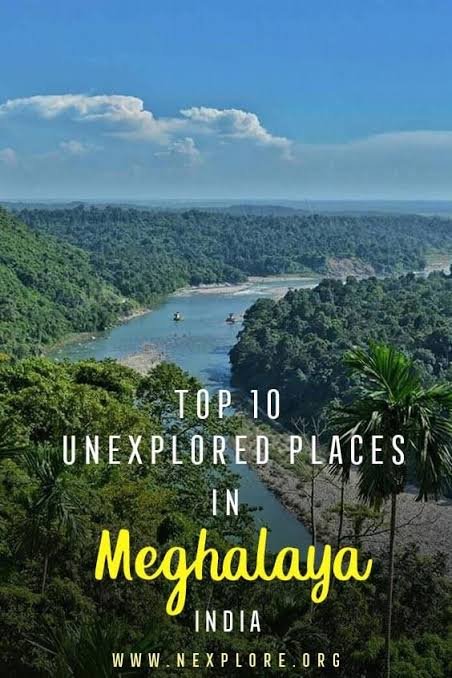
4. The Unexplored Tribal & Natural Frontier: Meghalaya
- Best Time to Visit: October to April
- Recommended Duration: 6 to 8 Days
- Key Destinations: Shillong, Cherrapunji (Sohra), Mawlynnong, Dawki
- Ideal For: Off-the-beaten-path explorers, trekkers, and eco-tourists
The Experience
Tucked away in the northeastern corner of India, Meghalaya—which translates directly from Sanskrit as “The Abode of Clouds”—is a land of ethereal beauty, ancient forests, dramatic gorges, and roaring waterfalls. Home to the indigenous Khasi, Jaintia, and Garo tribes, Meghalaya features a unique matrilineal society and a deep cultural reverence for nature.
The trip starts in the capital city of Shillong, often referred to as the “Scotland of the East” due to its rolling pine-covered hills, cool mountain climate, and vibrant music culture. From Shillong, driving south takes you to Cherrapunji (Sohra), historically famous for being one of the wettest places on Planet Earth. The landscape here features mist-shrouded limestone cliffs and spectacular drop waterfalls, including Nohkalikai Falls—one of India’s tallest plunge waterfalls.
Meghalaya’s most extraordinary engineering wonder lies hidden within its dense tropical rainforests: Living Root Bridges. Hand-woven over generations by the Khasi people using the aerial roots of Ficus elastica (Indian rubber tree) trees, these botanical bridges grow stronger with time. The trek down to the famous Jingkieng Jri (Double Decker Living Root Bridge) in Nongriat village involves descending roughly 3,000 steps through lush jungle, but reaching this living wonder is well worth the effort.
Rounding out the journey, visit Mawlynnong, recognized as one of the cleanest villages in Asia, and Dawki, where the Umngot River flows with such translucent clarity that boats floating on its surface appear to be suspended mid-air.
Insider Highlights & Culinary Delights
- Food to Try: Taste traditional Khasi dishes such as Jadoh (a flavorful rice dish cooked with herbs and meat), Dohneiiong (pork cooked with nutty black sesame paste), and fresh bamboo shoot stir-fries.
- Must-Do Activity: Take an eco-guided caving expedition into the Krem Liat Prah or Mawsmai caves to explore intricate subterranean limestone formations.
- Pro-Tip: Pack lightweight waterproof footwear with excellent grip. The jungle trails and stone steps down to the root bridges can be damp and slick year-round.
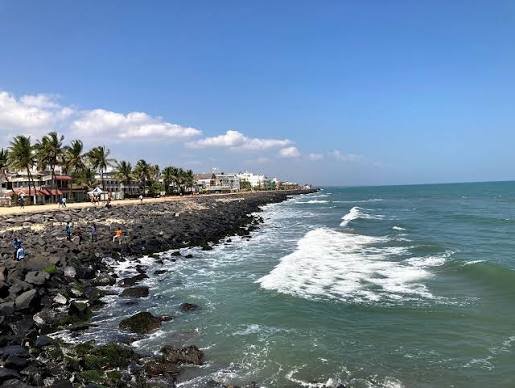
5. The Golden Coast, Colonial Charms, and Coastal Splendor: Tamil Nadu & Puducherry
- Best Time to Visit: November to March
- Recommended Duration: 8 to 10 Days
- Key Destinations: Chennai, Mahabalipuram, Puducherry, Thanjavur, Madurai
- Ideal For: Architecture lovers, spiritual seekers, foodies, and history buffs
The Experience
While North India is celebrated for its sandstone forts and Mughal architecture, South India’s Tamil Nadu boasts one of the world’s oldest continuous classical cultures, showcased through magnificent Dravidian stone architecture and thousands of years of living arts.
Beginning in Chennai, the cultural capital of South India, travel south along the scenic East Coast Road along the Bay of Bengal to Mahabalipuram (Mamallapuram). This UNESCO World Heritage site features 7th-century rock-cut temples, giant relief carvings like Arjuna’s Penance, and the iconic Shore Temple standing guard against the ocean waves.
A short drive further south brings you across state borders into the Union Territory of Puducherry (Pondicherry). A former French colony, Puducherry’s White Town retains a distinct European charm, featuring mustard-yellow colonial villas, bougainvillea-draped streets, cozy bakeries, and quiet seaside promenades. It is also home to Auroville, an experimental international township dedicated to peace and sustainable living.
Diving back inland into Tamil Nadu’s cultural heartland leads to Thanjavur (Tanjore), home to the magnificent Brihadeeswarar Temple. Built over 1,000 years ago by the Chola Dynasty, its massive granite tower stands as an engineering marvel of the ancient world. The trip reaches a dramatic grand finale in Madurai, one of the oldest continuously inhabited cities in the world. The towering, brightly colored gopurams (monumental gateway towers) of the Meenakshi Amman Temple are covered in thousands of hand-painted stone sculptures depicting ancient Hindu legends.
Insider Highlights & Culinary Delights
- Food to Try: Indulge in world-famous Chettinad cuisine, renowned for its complex, freshly ground spices. Try Chicken Chettinad, crispy Dosai with coconut and tomato chutneys, and finish with a piping-hot cup of traditional South Indian Filter Coffee.
- Must-Do Activity: Attend the evening oil-lamp ceremony at the Meenakshi Temple in Madurai to experience the energy of traditional temple rituals.
- Pro-Tip: Most active Hindu temples in Tamil Nadu adhere to strict traditional dress codes (covered shoulders and knees, no leather items inside). Always carry a lightweight shawl or sarong in your daypack.